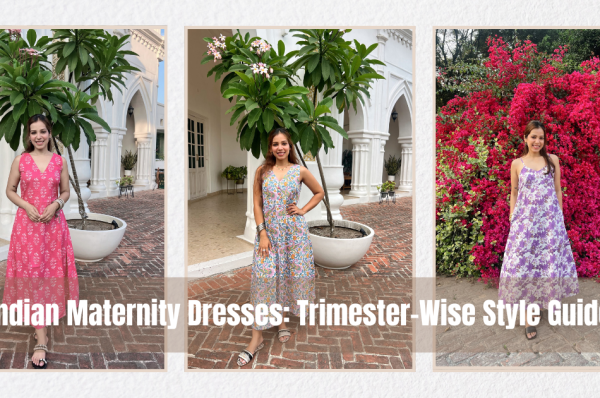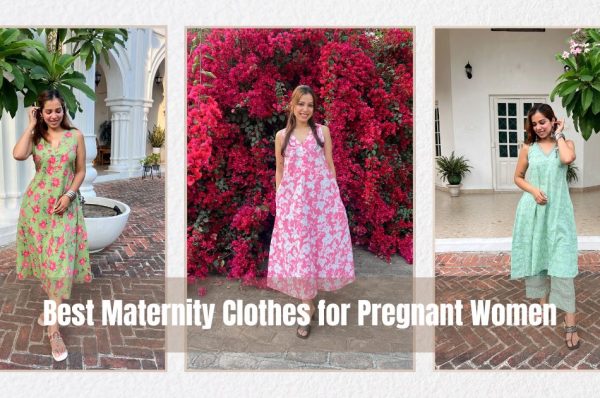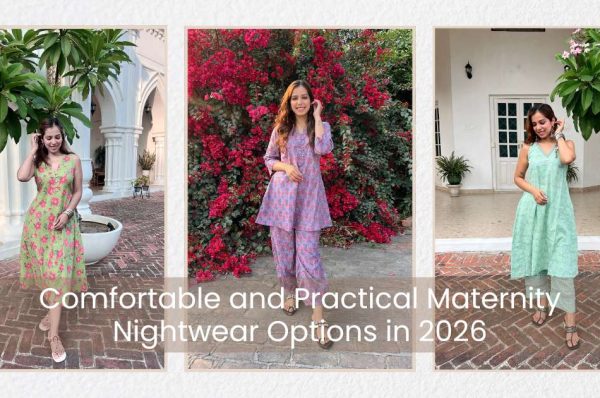

Looking for the best maternity dresses that actually work for Indian women? From the first trimester to the final weeks, Rangaari’s cotton and linen maternity collection — kaftans, kurta sets, tunics, and loungewear — is designed for bump-friendly comfort, breathable fabrics, and sizes XS to XXXL, all under ₹2,000 with pan-India delivery.
Pregnancy changes your body week by week. A dress that fit perfectly in month three may feel different by month seven — and that’s completely normal. The key is choosing styles that grow with you, rather than fighting against your changing shape.
Why Maternity Dress Styles Matter More Than You Think
Indian summers can be brutal — North India regularly sees temperatures above 40°C from March to June (IMD data, 2024). For expectant mothers, body temperature already runs higher than usual due to increased blood circulation. Wearing the wrong fabric — synthetic blends, tight waistbands, or non-breathable polyester — doesn’t just make you uncomfortable; it can disrupt sleep and worsen existing skin sensitivity that pregnancy brings.
Cotton reduces skin irritation compared to synthetic fabrics and is recommended by dermatologists for sensitive and pregnancy skin (American Academy of Dermatology). At Rangaari, 100% cotton and cotton-linen blends are our baseline for every maternity piece — not a premium add-on.
Trimester Guide: What to Wear When
First Trimester (Weeks 1–13)
Your bump is barely showing, but bloating and breast tenderness make tight waistbands uncomfortable. This is the trimester to start transitioning. Flowy A-line tunics, loose kaftans, and elastic-waist kurta sets let you dress comfortably without a wardrobe overhaul. Prioritise: soft fabrics, nothing tight around the abdomen, and items you can continue wearing into the second trimester.
Second Trimester (Weeks 14–27)
This is when the bump becomes visible and the desire to dress it well peaks. Empire-waist styles and wrap designs flatter the growing silhouette. Maternity kurta sets in A-line or straight cuts drape beautifully without clinging. For the heat: short kaftans and cotton tunics are your best allies.
Third Trimester (Weeks 28–40)
Comfort is everything. The bump is substantial, back aches are common, and sleep is a challenge. Loose maxi kaftans, wide-leg loungewear sets, and front-open or feeding-friendly designs matter most. Look for elastic waistbands, stretchy cotton, and pieces you can also use postpartum for nursing.
The 6 Best Maternity Dress Styles for Indian Women in 2026
1. Maternity Kaftan — The Most Versatile Choice
A kaftan is one of the most loved maternity dresses because it combines comfort with effortless style. The loose, flowing design accommodates a growing belly at every trimester while keeping the body cool. Made from soft breathable cotton, Rangaari kaftans are equally suited for casual outings, baby showers, and home wear.
Style × Trimester × Occasion
| Style | Best Trimester | Ideal Occasion | Post-Birth Wearability |
|---|---|---|---|
| Short Kaftan (knee-length) | T1, T2 | Casual outings, errands | Yes — works as nursing kaftan |
| Maxi Kaftan (floor-length) | T2, T3 | Baby showers, weddings | Yes — comfortable as nursing wear |
| Kaftan Kurta Set | T1, T2, T3 | Festive events, family gatherings | Yes — set continues as loungewear |
| Printed Cotton Kaftan | T2, T3 | Home wear, vacation | Yes — ideal for recovery at home |
2. Maternity Kurta Set — The Indian Everyday Essential
In India, kurta sets are already a regular part of everyday wardrobes, so transitioning to a maternity version feels natural rather than like “dressing for pregnancy.” Maternity kurta sets come in A-line or straight-cut styles that drape naturally over the belly without stretching or pulling. Pair with soft cotton palazzos or wide-leg pants with an elastic waistband.
At Rangaari, our kurta sets are available from XS to XXXL, so women across body types can find a fit that works at every trimester — not just pre-pregnancy sizes with extra fabric added.
3. Feeding-Friendly Loungewear — The Fourth Trimester Hero
Comfort at home is critical during pregnancy, and even more so postpartum. Feeding-friendly loungewear — co-ord sets with front buttons, hidden zippers, or nursing flaps — is the piece that transitions seamlessly from your third trimester into the weeks after delivery. Rangaari’s loungewear sets are made from 100% cotton with elastic waistbands that adjust as your body changes.
A practical note on bump clearance: Look for kurta tops in the set that fall at least 6–8 inches below the hip — this length accommodates a growing bump without riding up in the third trimester. The elastic waistband on the pants should have at least 3 inches of stretch range to remain comfortable across the last two months of pregnancy.
4. Maternity Gown — For the Occasions That Matter
Baby showers, weddings, and maternity photo shoots call for something special. Maternity gowns in flowing fabrics — cotton georgette, soft viscose, or mulmul — drape beautifully over the bump and photograph well. Look for empire-waist designs that sit just below the bust and flow outward; this cut flatters all bump sizes and conceals areas where you may feel less confident.
5. Maternity Tunic — The Balance Between Casual and Smart
The Rangaari Mehak Floral Tunic (₹1,200, 100% cotton, XS to XXXL, sleeveless and with-sleeves options) is a favourite in our maternity collection. A tunic is longer than a regular top and shorter than a kurta — it hits mid-thigh and pairs with leggings, jeggings, or maternity jeans. The relaxed fit accommodates the bump without looking shapeless.
Feeding-friendly tunics are available on request at Rangaari — front-opening or nursing-flap versions of our most popular tunic designs. Contact us directly if you need a feeding-friendly variant in a specific style.
6. Short Kurtis — For the Active, Modern Expectant Mother
Short kurtis suit women who prefer a youthful, movement-friendly silhouette. At Rangaari, short kurtis in cotton and cotton-linen blends stay comfortable even during UP’s summer heat. Pair with soft cotton pants or palazzo trousers with a wide, non-restrictive waistband.
Fabric Guide for Maternity Wear in India
The fabric your maternity dress is made from matters as much as the silhouette. For Indian conditions — humidity above 60% for much of the year in plains states like UP — these are the fabrics to prioritise:
- 100% Cotton: Most breathable everyday option; absorbs moisture before feeling damp; soft on sensitive pregnancy skin. Best for daily wear and home use.
- Cotton-Linen Blend: Linen can absorb up to 20% of its own weight in moisture before feeling wet — nearly three times cotton’s capacity (Georgia Institute of Technology research). Best for occasions where you’ll be outdoors or at events for several hours.
- Cotton Viscose: Softer drape than pure cotton; good for dresses and gowns that need to flow. Slightly less breathable than pure cotton but still far superior to polyester.
- Avoid: Polyester, nylon, and synthetic blends — these trap heat, cause skin friction, and are particularly uncomfortable in the third trimester when body temperature is elevated.
Shopping Tips: Getting the Size Right
Maternity sizing at Rangaari is based on your pre-pregnancy size. Our silhouettes are designed with enough room to accommodate the bump without buying a size up — an XS in Rangaari maternity wear is designed for an XS pre-pregnancy frame at any trimester. If you’re between sizes or in the third trimester, size up by one for maximum comfort.
How to Build a Maternity Wardrobe on a Budget
Most expectant mothers in India need only 8–12 maternity pieces to cover the full 40 weeks — a common mistake is buying too many pieces early that don’t fit by the third trimester. Here is a practical phased approach:
- First Trimester (Weeks 1–13): Start with 2–3 elasticated kurta sets and 1–2 loose kaftans. These will take you through the early months and continue working in T2. Investment: ₹2,400–₹3,600.
- Second Trimester (Weeks 14–27): Add a loungewear set for home comfort and 1–2 tunics for casual and office wear. This is when bump-specific sizing matters most. Investment: ₹2,400–₹3,000.
- Third Trimester (Weeks 28–40): Prioritise comfort and feeding-friendly pieces — a maxi kaftan, a cotton co-ord set, and one gown for any formal occasion. Investment: ₹2,200–₹3,000.
Total wardrobe investment at Rangaari: ₹7,000–₹9,600 for a practical, season-appropriate maternity wardrobe. All pieces are available from XS to XXXL and designed to be wearable postpartum as well — the cost-per-wear is significantly lower than fast-fashion alternatives.
Caring for Your Maternity Clothes: A Quick Guide
Cotton and cotton-linen maternity wear is easy to care for, but a few practices extend garment life significantly:
- Wash temperature: Cold or lukewarm water (30°C) for all cotton and cotton-blend pieces. Hot water causes shrinkage and colour fade, particularly on printed cotton.
- Drying: Shade-dry rather than direct sunlight — UV exposure weakens cotton fibres and fades prints faster. Flat-dry heavier pieces (kurta sets, loungewear) to maintain shape.
- Ironing: Medium heat is sufficient for cotton. Avoid direct ironing over printed areas — use a pressing cloth or iron inside-out.
- Storage: Fold, don’t hang heavier kurta sets and kaftans — hanging for long periods stretches the fabric at the shoulders and distorts the silhouette.
Rangaari’s cotton pieces are pre-washed to minimise further shrinkage. First-wash advice is included with each order — cold wash recommended to set colours for printed pieces.
Frequently Asked Questions
Cotton kaftans and cotton kurta sets are the best choice for Indian summers. They are loose-fitting, breathable, and available in sizes XS to XXXL. Rangaari’s cotton maternity collection starts at ₹1,100 and is designed specifically for women in North and Central India where temperatures regularly exceed 40°C from March to June.
Most women start transitioning to maternity styles in the second trimester (weeks 14–20), when the bump becomes visible and regular waistbands become uncomfortable. However, loose kaftans and elasticated kurta sets can be worn from week 8 onwards for early comfort.
Yes. Rangaari maternity wear is available in sizes XS to XXXL across all categories — kaftans, kurta sets, tunics, and loungewear. Each product page lists the specific size range, and the model height and wearing size are always specified so you can gauge the fit accurately.
Most Rangaari maternity styles continue to work after delivery. Kaftans and loungewear are particularly useful in the postpartum weeks. Feeding-friendly versions (with front buttons or nursing flaps) are available on request for most tunic styles.
Rangaari maternity wear ranges from ₹1,100 to ₹2,000 for most pieces, including kaftans, tunics, and kurta sets. Loungewear sets typically cost ₹1,200–₹1,500. All prices include pan-India delivery.
Rangaari has an exchange and return policy — if the size doesn’t fit or there is a defect, you can exchange or return within the policy window. Check the Exchange & Refund Policy page for full details before purchasing.
Niharika’s Note
When I started designing maternity wear for Rangaari, I quickly realised the problem wasn’t fabric or print — it was fit. Most maternity dresses sold in India are cut for a “generic bump,” but Indian body types carry pregnancy weight differently trimester to trimester, and our petite-to-plus range (XS–XXXL) needed silhouettes that actually moved with that change. I spent months testing waistbands with mothers in Pilibhit — checking where elastic dug in by the third trimester, how empire cuts sat on shorter torsos, how a kurta that fit in month four needed to still fit in month eight without buying a second wardrobe. That’s why every Rangaari maternity piece is built trimester-first, not size-first. It’s not theoretical for me — I’ve sat with these mothers, unpicked seams, and re-cut patterns until they stopped complaining about the waistband and started asking for more colours.
— Niharika Agarwal, Founder, Rangaari
Explore our full maternity dresses collection or visit the Rangaari shop for all categories. For feeding-friendly options in any style, contact us directly.