
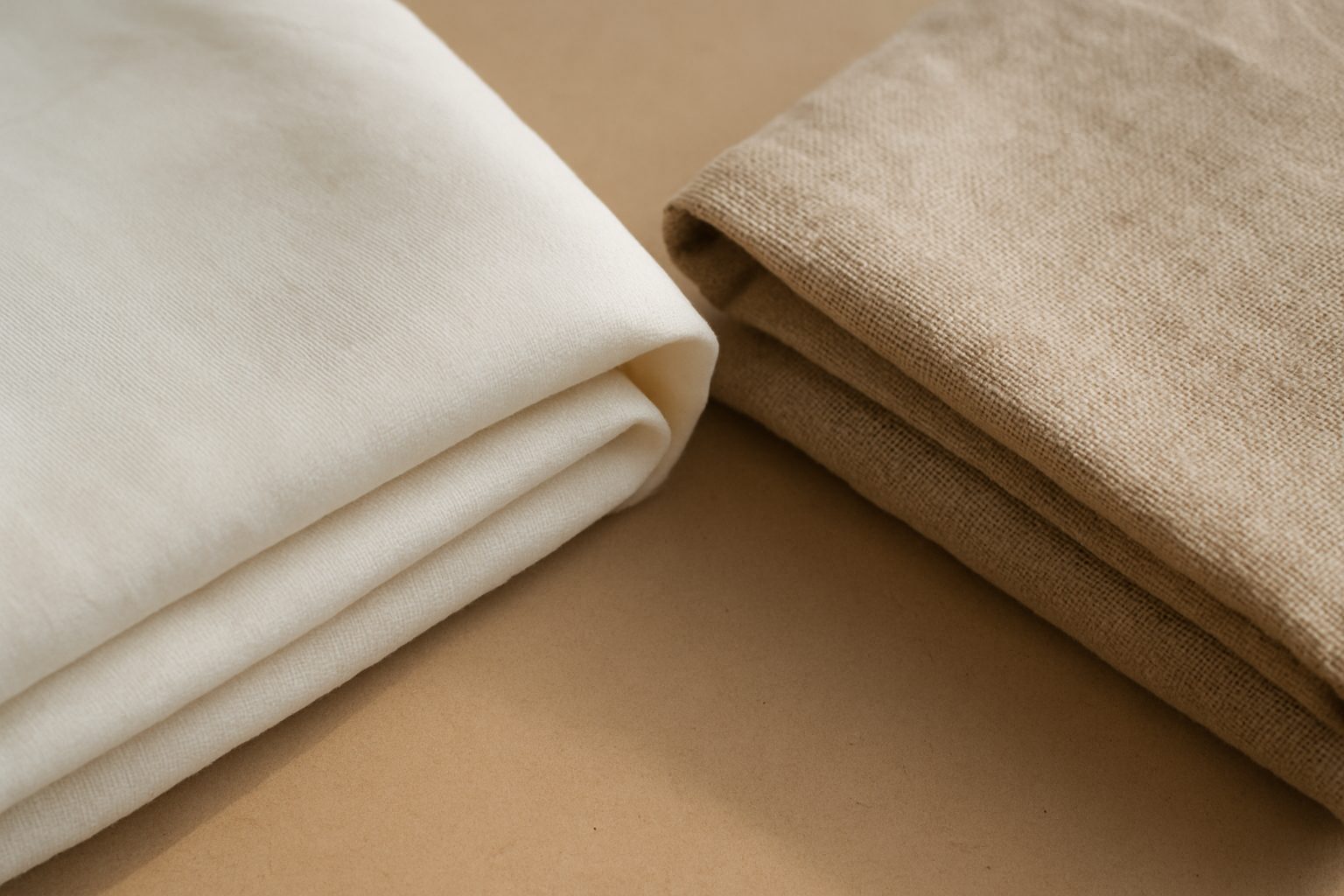
Both cotton and linen are natural, breathable fibres ideal for summer. Cotton is softer, more affordable and easy to care for; linen is more breathable and dries faster but creases more. For everyday Indian summer wear, cotton wins on comfort and upkeep, while linen edges ahead on the very hottest, most humid days.
| Feature | Cotton | Linen |
|---|---|---|
| Breathability | High | Very high |
| Softness | Very soft, softens with wear | Crisp, softens slowly |
| Moisture wicking | Good | Excellent, dries fast |
| Wrinkles | Moderate | High (part of its character) |
| Care | Easy, machine-friendly | Needs more care, iron/steam |
| Cost | More affordable | Usually pricier |
The Verdict
For most Indian summer days, cotton is the practical winner — soft, breathable, affordable and easy to wash. Choose linen when you want maximum coolness for peak heat and humidity and don’t mind a few natural creases. Rangaari’s summer tunics, dresses and kaftans use soft, breathable cotton for all-day, easy-care comfort.
Shop the Look at Rangaari
Shop summer-ready cotton in Rangaari’s tunics, dresses and kaftans. Learn more about linen’s breathability.
How Cotton and Linen Actually Keep You Cool
Staying cool is about three things working together: how freely air moves through the fabric, how fast sweat is pulled off your skin and how quickly that moisture then evaporates. Both cotton and linen are natural cellulose fibres, so both breathe far better than polyester or nylon, which trap heat against the body. The difference is in the weave. Linen yarns are thicker and more irregular, so a linen weave has slightly larger gaps that let warm air escape and dry out fast — which is why linen can feel a touch cooler in heavy, sticky humidity. Cotton fibres are finer and softer, so cotton sits closer to the skin, wicks sweat steadily and feels gentle all day. For most Indian summers, that everyday softness and easy care is exactly what makes cotton the fabric you reach for again and again.
Cotton vs Linen by the Numbers
- Cotton fibre is naturally absorbent and can hold roughly 24–27 times its own weight in water, helping it wick perspiration away from the skin on hot days. (Source: Cotton Incorporated, “Cotton Fiber Properties.”)
- Linen can absorb up to about 20% of its weight in moisture before it feels damp and releases that moisture quickly, which is why it dries faster than most natural fabrics. (Source: CELC / European Confederation of Flax and Linen, fibre fact sheet.)
- India recorded one of its warmest years on record in 2024, with prolonged heatwave spells across the north — making lightweight, loose, breathable silhouettes a practical everyday choice. (Source: India Meteorological Department, Annual Climate Statement 2024.)
Figures are approximate and provided for general guidance; exact performance varies with weave, weight and finish.
Comfort, Care and Cost: What Each Wins On
Comfort on the skin
Cotton is the softer of the two from the very first wear, and it only gets softer with every wash — which makes it the kinder choice for sensitive skin, for children and for clothes you live in all day, like loungewear and feeding-friendly pieces. Linen starts crisp and structured and softens more slowly over months of use; many people love that lived-in, relaxed drape, but it is less plush against the skin on day one. If you want clothes that feel gentle from the moment you put them on, cotton wins.
Care and upkeep
This is where cotton pulls clearly ahead for everyday Indian wardrobes. Cotton is machine-friendly, holds its shape well and needs only a light iron. Linen wrinkles freely — that gentle crumple is part of its charm — but it usually wants a cool steam or iron to look crisp, and it can shrink if washed too hot. To keep either fabric at its best: wash in cold or lukewarm water, turn garments inside out, skip harsh bleach, dry in shade to protect the colour, and store folded rather than crammed on hangers. For busy mornings, cotton’s wash-and-go simplicity is hard to beat.
Cost and value
Good-quality linen is usually pricier than cotton because flax is harder to grow and to weave. Cotton gives you the same natural breathability at a friendlier price, which means you can build a fuller summer wardrobe — more tunics, more dresses, more easy weekday pieces — without overspending. That balance of comfort, breathability and value is exactly why Rangaari builds its summer range around soft, breathable cotton.
Which Should You Choose This Summer?
Reach for cotton when you want soft, easy-care, everyday comfort — work days, errands, home, travel and time with family — at a price that lets you buy more. Reach for linen when you want the absolute coolest fabric for peak heat and humidity, you love a relaxed crinkled look, and you don’t mind a little extra ironing. Many wardrobes happily hold both: cotton for daily life, a few linen pieces for the hottest weeks. Whichever you choose, look for a loose, flowing cut — a relaxed silhouette lets air circulate and keeps fabric off the skin, which matters as much as the fibre itself.
Explore breathable summer cotton across Rangaari’s tunics, dresses, kaftans and loungewear — soft, easy to care for and made for Indian summers. Want help deciding? Reach out to our team and we’ll point you to the right fit and fabric.
Frequently Asked Questions
Is cotton or linen cooler in summer?
Linen is marginally more breathable and dries faster, so it can feel cooler in extreme humidity. Cotton is still very breathable and is softer and easier to care for day to day.
Which fabric wrinkles less, cotton or linen?
Cotton wrinkles less than linen. Linen creases naturally as part of its relaxed character.
Why does Rangaari use cotton for summer wear?
Cotton is soft, breathable, skin-friendly and easy to maintain, which makes it ideal for comfortable, affordable everyday Indian summer clothing.
Does cotton or linen wrinkle more?
Linen wrinkles more — its relaxed crinkle is part of its natural character and is considered part of the look. Cotton creases moderately but stays smoother through the day and needs only a light iron, which makes it easier for everyday wear.
How do I care for cotton and linen summer clothes?
Wash both in cold or lukewarm water, turn garments inside out, avoid harsh bleach and dry in the shade to protect the colour. Cotton is machine-friendly and needs only a light iron; linen prefers a cool steam or iron and can shrink if washed too hot. Store folded to keep the fabric fresh.
Is cotton or linen better value for money?
Cotton usually offers better value. It delivers the same natural breathability as linen at a friendlier price, so you can build a fuller summer wardrobe without overspending. Linen tends to cost more because flax is harder to grow and weave.
What is the coolest fabric to wear in Indian summer?
Natural fibres like cotton and linen are the coolest choices because they breathe and wick sweat, unlike synthetics such as polyester that trap heat. Linen feels slightly cooler in extreme humidity, while soft cotton is the most comfortable and easy-care option for everyday Indian summer wear. A loose, flowing cut keeps you cooler in either fabric.